Tuesday, 12 June 2012


Muqdisho: Maxaa Kala Heysta Odayaasha Dhaqanka Iyo Siyaasiyiinta Xil-Doonka ah Iyo Is-Xulufeysiga Beelaha? (Warbixin)
Muqdisho (RBC) Ololaha siyaasadeed iyo loolanka ay wadaan siyaasiyiinta xil doonka ah ayaa marba marka ka dambeysa sare u sii kacaya gudaha dalka gaar ahaan magaalada Muqdisho oo xilligan uu ka socdo shirka odayaal dhaqameedka Soomaalida kuwaasoo u fadhiya soo xulista ergadii ansixin lahayd dastuurka cusub iyo mudanayaasha cusub ee baarlamaanka.
Kulamada ay leeyihiin odayaasha dhaqanka waxaa dhanka kale hareeyay kala jiidasho ay wadaan siyaasiyiin xil doon ah oo doonaya inay boos ka helaan kuraasta baarlamaanka iyo dawlada cusub ee la dhisi doono Agoosto 2012. Waxaana tani ay dhalisay gorgortan noociisu cusub yahay oo markii ugu horeysay ka dhex bilawday hab dhaqanka siyaasada dalka oo markii horaba ku saleysnaa qabiil.
Wariyaal ka tirsan Shabakada Raxanreeb oo maalmihii la soo dhaafay u kuurgalay kala jiidashada ay wadaan siyaasiyiinta xil doonka ah ayaa soo arkay siyaasiyiin u badan qabqablayaashii dagaalka oo kulamo la leh odayaal dhaqameed beelahooda ka soo jeeda si ay uga dhaadhiciyaan in kuraasta siyaasadda ay u soo doortaan iyaguna ay abaalmarin ugu bedeli doonaan.
I qor aan ku qoree!
Siyaayiinta ololaha muuqda haatan ka wada Muqdisho waxaa ka mid ah xildhibaan Muuse Suudi Yalaxow, Xildhibaan Maxamed Qanyare Afrax, Cabdi Xasan Cawaale (Qeybdiid), madaxweynaha Ximan iyo Xeeb Maxamed Aadan Tiiceey, iyo xubno u badan baarlamaanka waqtigisu sii dhamaanayo kuwaasoo ku jira gorgortan adag.
Sidoo kale waxaa kaalin muuqata ololaha xil doonka ka ciyaaraya Xildhibaan C/risaaq Juriile iyo Prof Cali Khaliif Galeyr oo labaduba waayadan ku sugnaa magaalada Muqdisho kuwaasoo kulamo aan kala go’ lahayn la qaadanaya odayaal beeleed iyo xubno dhaqan oo qaarkood ka mid yihiin kuwa ka qeybgalaya shirka odayaasha ee ka socda Muqdisho.
Waxaan iyaguna habeen iyo maalin aan seexan madaxweyne Shariif Sheekh Axmed iyo saaxiibkiis hore Shariif Xasan Sheekh Aadan oo maalmihii dambe aan fursad isu helin ay ku wada hadlaan maadaama nin waliba ay tiisa cusleysay. Wararka qaar ayaaba sheegaya in xurguf hoose ay labada nin u dhexeyso taasoo ka dhalatay hanka sii kordhaya ee Shariif Xasan ka qabo kursiga madaxweynaha dalka.
Dhanka qurbejoogta mansan doonka ah iyo musharixiinta cusub (oo u badan beesha madaxweyne Shariif) ayaa iyaguna si firfircoon magaalada ugu soo gurmaya, waxaana maalin kasta garoonka Muqdisho ku arkeysaa haween, dhalinyaro iyo rag si qurux badan u lebisan oo soo dhoweynaya musharax cusub oo dibadda ka imaanaya.
Waxaa aad mashquul u ah hotelada Muqdisho, habeen iyo maalinna waxaa dhacaya xaflado martiqaad iyo kulamo gooni gooni ah. Xildhibaano badan oo wariyaasha Raxanreeb la sheekeysteena waxayba ka cudurdaarteen inay hadal bixiyaan mashquulka ay ku jiraan darteed.
Waxa ugu horeeya ee haatan lagu gorgortamayo waa ka mid noqoshada mudanayaasha baarlamaanka cusub oo ka koobnaan doona 275 xildhibaan, taasoo ka dhigan in cida aqlabiyad fiican ka hesha baarlamaanka ay rajo ka qabi karto xilalka sare ee dawlada sida raysul wasaaraha iyo madaxweynaha.
Isxulufeysiga beelaha
Waxaa iyana jirta heshiisyo isafagarad ku saleysan oo siyaasiyiinta xil doonka ah iyo odayaasha dhaqanka ay hormuud ka yihiin kaasoo beelo iyo jufooyin la isugu xirmayo, si loo ciyaaro aragtida oraneysa ‘jumlo ayaa jid furata’. Waxaa socda ballanqaadyo ah in beel hebel loogu codeeyo madaxweynaha ay wadato taasui bedelkeedana beesja kale lagu taageero kursiga raysul wasaaraha.
Laakiin isafgaradkan xeer jajabka ah ayaa dadka qaar durba waxay ka muujiyeen walaac maadaama ay dhici karto in sidaasi lagu lumiyo miisaankii wax ku qeybsiga 4.5 oo ahaa in beelaha waaweyn la siiyo saddexda kursi ee ugu sareeya. Waxaana la leeyahay waxaa soo bixi karta natiijo ka duwan tii 4.5 haddii ay sidan wax ku sii socdaan.
Illaa hadda xafiisyada siyaasadda Qaramada Midoobay iyo Midowga Afrika ee UNPOS iyo AU oo saraakiil joogtro ah ka joogaan Muqdisho waxay arimahan kala socdaan dusha, waxaana la eegayaa meesha sheekadu ku biyo shubato lixdanka cisho ee soo socda oo wax walba kala caddaan doonaan.
——————————————————————————————————————————-
RBC Radio
Xafiiska Wararka Muqdisho
Kulamada ay leeyihiin odayaasha dhaqanka waxaa dhanka kale hareeyay kala jiidasho ay wadaan siyaasiyiin xil doon ah oo doonaya inay boos ka helaan kuraasta baarlamaanka iyo dawlada cusub ee la dhisi doono Agoosto 2012. Waxaana tani ay dhalisay gorgortan noociisu cusub yahay oo markii ugu horeysay ka dhex bilawday hab dhaqanka siyaasada dalka oo markii horaba ku saleysnaa qabiil.
Wariyaal ka tirsan Shabakada Raxanreeb oo maalmihii la soo dhaafay u kuurgalay kala jiidashada ay wadaan siyaasiyiinta xil doonka ah ayaa soo arkay siyaasiyiin u badan qabqablayaashii dagaalka oo kulamo la leh odayaal dhaqameed beelahooda ka soo jeeda si ay uga dhaadhiciyaan in kuraasta siyaasadda ay u soo doortaan iyaguna ay abaalmarin ugu bedeli doonaan.
I qor aan ku qoree!
Siyaayiinta ololaha muuqda haatan ka wada Muqdisho waxaa ka mid ah xildhibaan Muuse Suudi Yalaxow, Xildhibaan Maxamed Qanyare Afrax, Cabdi Xasan Cawaale (Qeybdiid), madaxweynaha Ximan iyo Xeeb Maxamed Aadan Tiiceey, iyo xubno u badan baarlamaanka waqtigisu sii dhamaanayo kuwaasoo ku jira gorgortan adag.
Sidoo kale waxaa kaalin muuqata ololaha xil doonka ka ciyaaraya Xildhibaan C/risaaq Juriile iyo Prof Cali Khaliif Galeyr oo labaduba waayadan ku sugnaa magaalada Muqdisho kuwaasoo kulamo aan kala go’ lahayn la qaadanaya odayaal beeleed iyo xubno dhaqan oo qaarkood ka mid yihiin kuwa ka qeybgalaya shirka odayaasha ee ka socda Muqdisho.
Waxaan iyaguna habeen iyo maalin aan seexan madaxweyne Shariif Sheekh Axmed iyo saaxiibkiis hore Shariif Xasan Sheekh Aadan oo maalmihii dambe aan fursad isu helin ay ku wada hadlaan maadaama nin waliba ay tiisa cusleysay. Wararka qaar ayaaba sheegaya in xurguf hoose ay labada nin u dhexeyso taasoo ka dhalatay hanka sii kordhaya ee Shariif Xasan ka qabo kursiga madaxweynaha dalka.
Dhanka qurbejoogta mansan doonka ah iyo musharixiinta cusub (oo u badan beesha madaxweyne Shariif) ayaa iyaguna si firfircoon magaalada ugu soo gurmaya, waxaana maalin kasta garoonka Muqdisho ku arkeysaa haween, dhalinyaro iyo rag si qurux badan u lebisan oo soo dhoweynaya musharax cusub oo dibadda ka imaanaya.
Waxaa aad mashquul u ah hotelada Muqdisho, habeen iyo maalinna waxaa dhacaya xaflado martiqaad iyo kulamo gooni gooni ah. Xildhibaano badan oo wariyaasha Raxanreeb la sheekeysteena waxayba ka cudurdaarteen inay hadal bixiyaan mashquulka ay ku jiraan darteed.
Waxa ugu horeeya ee haatan lagu gorgortamayo waa ka mid noqoshada mudanayaasha baarlamaanka cusub oo ka koobnaan doona 275 xildhibaan, taasoo ka dhigan in cida aqlabiyad fiican ka hesha baarlamaanka ay rajo ka qabi karto xilalka sare ee dawlada sida raysul wasaaraha iyo madaxweynaha.
Isxulufeysiga beelaha
Waxaa iyana jirta heshiisyo isafagarad ku saleysan oo siyaasiyiinta xil doonka ah iyo odayaasha dhaqanka ay hormuud ka yihiin kaasoo beelo iyo jufooyin la isugu xirmayo, si loo ciyaaro aragtida oraneysa ‘jumlo ayaa jid furata’. Waxaa socda ballanqaadyo ah in beel hebel loogu codeeyo madaxweynaha ay wadato taasui bedelkeedana beesja kale lagu taageero kursiga raysul wasaaraha.
Laakiin isafgaradkan xeer jajabka ah ayaa dadka qaar durba waxay ka muujiyeen walaac maadaama ay dhici karto in sidaasi lagu lumiyo miisaankii wax ku qeybsiga 4.5 oo ahaa in beelaha waaweyn la siiyo saddexda kursi ee ugu sareeya. Waxaana la leeyahay waxaa soo bixi karta natiijo ka duwan tii 4.5 haddii ay sidan wax ku sii socdaan.
Illaa hadda xafiisyada siyaasadda Qaramada Midoobay iyo Midowga Afrika ee UNPOS iyo AU oo saraakiil joogtro ah ka joogaan Muqdisho waxay arimahan kala socdaan dusha, waxaana la eegayaa meesha sheekadu ku biyo shubato lixdanka cisho ee soo socda oo wax walba kala caddaan doonaan.
——————————————————————————————————————————-
RBC Radio
Xafiiska Wararka Muqdisho
Pending Demarcation of the Somalo-Oromo Boundaries
|
Official news reports coming from the Somali National State of Ethiopia, Jigjiga, and carried by WardheerNews confirm that the demarcation of boundaries between the Somali and Oromia regions is entering its final phase. If handled unfairly as did happen in the past, the results of such a demarcation could negatively impact the lives and properties of Somalis living in Liiban, Afdheer, Fiiq, Shiniile, Babili and Jigjga zones.
The ruling party in Oromia region, Oromo Peoples Democratic Organization (OPDO), is a member of the Ethiopian Peoples Revolutionary Democratic Front (EPRDF) and a close partner of the Tigrian Peoples Liberation Front (TPLF). The question is whether Somalis are in any position to stop the expansion of Oromia territory at the expanse of Somali inhabited districts.
When History is a Witness
According to Fatuh-Al- Habasha, the Conquest of Abyssinia, a traveler’s account of the struggle between Somalis and Christian Abyssinias in the distant past, Sihab ad-Din Ahmad bin Abd al-Qadir bin Salem binUtman gives us a clear account of where Somalis lived in the 16th Century. In reading this book, one gets a clear account that Somalis occupied the land stretching between the Makhir coast to the east and the Axmar mountains to the west , as far west as Ankobara in the Awash valley, and between the scourged rocky deserts of Djibouti to the north and the Shebelle valleys south of the Jarar river. What is remarkable about the Somali settlements in this region is that today’s Somali clans (the Geri, Absame, Bartire, Issaq, Harti of Miad, Issa, Marehaan, Gurgure, Samaroon and other) occupy and reside in the same geographic areas today as they did during Ahmed Al-khzali’s confrontation (Ahmed Guray) with the kings of Abyssinia in the 16th Century.
Multiple invasions by Abyssians as well as draconian measures by successive feudal regimes in Ethiopia did not successfully remove Somalis from their natural ecology. Perhaps that is why the Somali saying: “dhulku waa ma guuraan ” or “ecological belongingness is a permanent phenomenon,” is one of the most endearing Somali concepts.
In an epic expedition stretching from Zaylac to Harar, Sir Richard Burton of England also gives us a perceptive observation of the same Somali ecology almost four Centuries later after the accounts by Sihab ad-Din Ahmad bin Abd al-Qadir bin Salem binUtman. In 1885, Sir Burton, who intimated himself with Somali Garads and Chiefs in this area encountered some Oromos who were indentured servants for (not a community of scale).
A significant trace of Oromos in the Somali inhabited areas (between Shinilee and Zaylac and between Zaylac and Harar) were first seen in the 1930s, only after Haile Selassie was crowned as the viceroy of Ethiopia. In addition, local oral history has it that Garad Ali Garad Koshin (great grandson of Garad Adan who hosted Richard Burton in 1885) brought some Oromos into Jigjga zone as indentured laborers in the late 1930s and 1940s. Today, the powerful Oromia region, under the protection of the ruling EPRDF, is using the children of those indentured laborers as a conduit to expand its territory into traditionally Somali regions as part of its grandiose quest to get access to the warm waters of Somaliland.
Federalism or Fleecing Somali Districts
In 1991, when the victorious TPLF, under the leadership of Mr. Meles Zenawi defeated the fascist regime of Mengistu Haile Marian, a new map depicting Ethiopian ethnic groups was drafted as part of the implementation of the new charter for the country. The new map, intended to be the basis for federalism among multi ethnic groups, divided the country into several ethnic-based states. Among the major nationalities depicted in the map were Somalis, Afars, Oromos, Amharas, Tigres, Sidamas, and a host of other smaller groups. Continued
The ruling party in Oromia region, Oromo Peoples Democratic Organization (OPDO), is a member of the Ethiopian Peoples Revolutionary Democratic Front (EPRDF) and a close partner of the Tigrian Peoples Liberation Front (TPLF). The question is whether Somalis are in any position to stop the expansion of Oromia territory at the expanse of Somali inhabited districts.
When History is a Witness
According to Fatuh-Al- Habasha, the Conquest of Abyssinia, a traveler’s account of the struggle between Somalis and Christian Abyssinias in the distant past, Sihab ad-Din Ahmad bin Abd al-Qadir bin Salem binUtman gives us a clear account of where Somalis lived in the 16th Century. In reading this book, one gets a clear account that Somalis occupied the land stretching between the Makhir coast to the east and the Axmar mountains to the west , as far west as Ankobara in the Awash valley, and between the scourged rocky deserts of Djibouti to the north and the Shebelle valleys south of the Jarar river. What is remarkable about the Somali settlements in this region is that today’s Somali clans (the Geri, Absame, Bartire, Issaq, Harti of Miad, Issa, Marehaan, Gurgure, Samaroon and other) occupy and reside in the same geographic areas today as they did during Ahmed Al-khzali’s confrontation (Ahmed Guray) with the kings of Abyssinia in the 16th Century.
Multiple invasions by Abyssians as well as draconian measures by successive feudal regimes in Ethiopia did not successfully remove Somalis from their natural ecology. Perhaps that is why the Somali saying: “dhulku waa ma guuraan ” or “ecological belongingness is a permanent phenomenon,” is one of the most endearing Somali concepts.
In an epic expedition stretching from Zaylac to Harar, Sir Richard Burton of England also gives us a perceptive observation of the same Somali ecology almost four Centuries later after the accounts by Sihab ad-Din Ahmad bin Abd al-Qadir bin Salem binUtman. In 1885, Sir Burton, who intimated himself with Somali Garads and Chiefs in this area encountered some Oromos who were indentured servants for (not a community of scale).
A significant trace of Oromos in the Somali inhabited areas (between Shinilee and Zaylac and between Zaylac and Harar) were first seen in the 1930s, only after Haile Selassie was crowned as the viceroy of Ethiopia. In addition, local oral history has it that Garad Ali Garad Koshin (great grandson of Garad Adan who hosted Richard Burton in 1885) brought some Oromos into Jigjga zone as indentured laborers in the late 1930s and 1940s. Today, the powerful Oromia region, under the protection of the ruling EPRDF, is using the children of those indentured laborers as a conduit to expand its territory into traditionally Somali regions as part of its grandiose quest to get access to the warm waters of Somaliland.
Federalism or Fleecing Somali Districts
In 1991, when the victorious TPLF, under the leadership of Mr. Meles Zenawi defeated the fascist regime of Mengistu Haile Marian, a new map depicting Ethiopian ethnic groups was drafted as part of the implementation of the new charter for the country. The new map, intended to be the basis for federalism among multi ethnic groups, divided the country into several ethnic-based states. Among the major nationalities depicted in the map were Somalis, Afars, Oromos, Amharas, Tigres, Sidamas, and a host of other smaller groups. Continued
Subscribe to:
Posts (Atom)
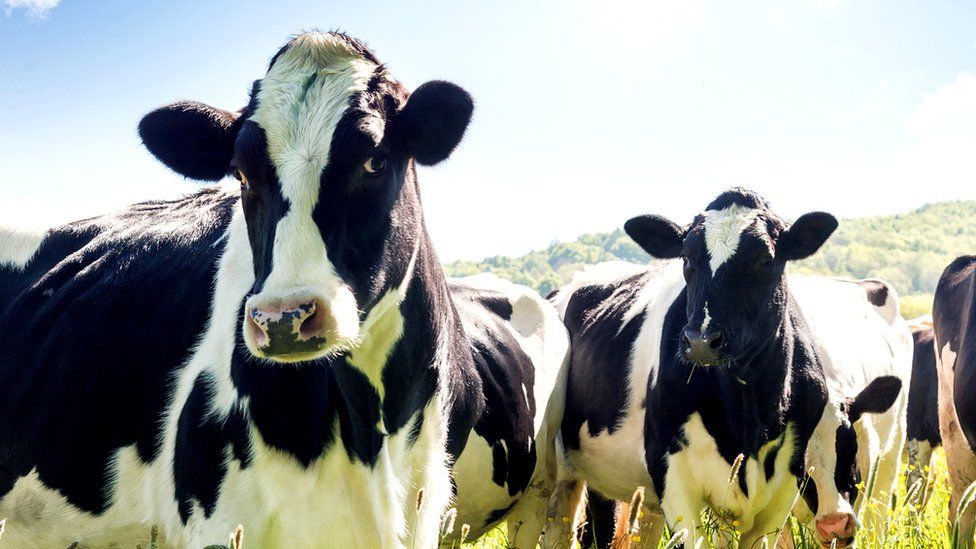
Why cows may be hiding something but AI can spot it
By Chris Baraniuk Technology of Business reporter Published 22 hours ago Share IMAGE SOURCE, GETTY IMAGES Image caption, Herd animals like...
-
Thousands of Somalis have fled the drought and the fighting Continue reading the main story ...
-
Wednesday, November 14, 2012 By Jonathan Kalan Kasim moves swiftly around the machine. Like a dancer, he has style, a unique way of p...

